
"Guatemalan hard beans"
700 article(s) found

Introduction to the flavor and taste of Guatemalan Coffee Manor
Like Costa Rica, El Salvador, Mexico, Honduras and other Central American countries, Guatemala is classified on the basis of altitude. Coffee produced at high altitudes is generally of higher quality than at lower altitudes, because the higher the altitude, the lower the temperature. At high altitudes, the slower the coffee grows, the more beneficial it is to the accumulation of good substances.
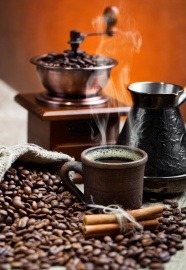
Introduction of Guatemalan Coffee beans Fine Coffee
The extra-hard coffee beans here are full-grained, delicious and balanced, and the coffee made with them is pure and rich. Guatemala coffee once enjoyed a reputation as the best quality coffee in the world, but its quality also declined for a time. What is gratifying, however, is that its reputation is gradually being restored. In 1750, Father Jesuit introduced coffee trees to Guatemala, at the end of the 19th century.
The flavor of Guatemalan coffee beans. Fine coffee.
The extra-hard coffee beans here are full-grained, delicious and balanced, and the coffee made with them is pure and rich. Guatemala coffee once enjoyed a reputation as the best quality coffee in the world, but its quality also declined for a time. What is gratifying, however, is that its reputation is gradually being restored. In 1750, Father Jesuit introduced coffee trees to Guatemala, at the end of the 19th century.
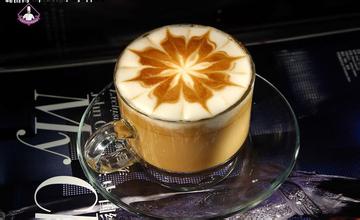
Rich taste of Guatemalan coffee flavor manor features Antigua boutique coffee
Like Costa Rica, El Salvador, Mexico, Honduras and other Central American countries, Guatemala is classified on the basis of altitude. Coffee produced at high altitudes is generally of higher quality than at lower altitudes, because the higher the altitude, the lower the temperature. At high altitudes, the slower the coffee grows, the more beneficial it is to the accumulation of good substances.
Fine coffee Guatemala coffee producing area Guatemalan coffee manor
The extra-hard coffee beans here are full-grained, delicious and balanced, and the coffee made with them is pure and rich. Guatemala coffee once enjoyed a reputation as the best quality coffee in the world, but its quality also declined for a time. What is gratifying, however, is that its reputation is gradually being restored. In 1750, Father Jesuit introduced coffee trees to Guatemala, at the end of the 19th century.

A brief introduction to the cultivation of fine sour Guatemalan coffee beans, geographical location, climate and altitude
At present, some of the best quality coffee from Guatemala is exported to Japan, where each cup of coffee sells for $3 to $4. In order to revitalize its coffee industry, Guatemala has specially set up a special coffee association and gives maximum funding and attention to these high-quality coffee. These efforts will soon bear fruit, and the real beneficiaries are not only coffee growers, but also coffee growers.

What are the Guatemalan coffee farms? what are the flavor characteristics of Guatemalan coffee beans?
For more information on coffee beans, follow the Coffee Workshop (official Wechat account cafe_style) Guatemala is famous for its fruity coffee beans and was rated as the largest coffee producer in Central America for most of the 20th and 21st centuries. Among them, Antigua is a famous producer of coffee, rich volcanic soil, low humidity and strong sunlight.

A brief introduction to the origin, development, history and culture of fine sour Guatemalan coffee beans
Coffee was really introduced into Guatemala in 1750 by Father Jesuit, and the coffee industry was developed by German colonists at the end of the 19th century. Today, most of the coffee industry's production takes place in the south of the country. There are seven major coffee producing areas in Guatemala, and the flavor of the coffee produced in each area is different, but to sum up, the coffee in Guatemala is all

Boutique coffee varieties of Guatemalan coffee Kaddura, Kaduai, bourbon
The extra-hard coffee beans here are full-grained, delicious and balanced, and the coffee made with them is pure and rich. Guatemala coffee once enjoyed a reputation as the best quality coffee in the world, but its quality also declined for a time. What is gratifying, however, is that its reputation is gradually being restored. In 1750, Father Jesuit introduced coffee trees to Guatemala, at the end of the 19th century.
Boutique coffee varieties of Guatemalan coffee Kaddura, Kaduai, bourbon
The extra-hard coffee beans here are full-grained, delicious and balanced, and the coffee made with them is pure and rich. Guatemala coffee once enjoyed a reputation as the best quality coffee in the world, but its quality also declined for a time. What is gratifying, however, is that its reputation is gradually being restored. In 1750, Father Jesuit introduced coffee trees to Guatemala, at the end of the 19th century.
Boutique coffee varieties of Guatemalan coffee Kaddura, Kaduai, bourbon
The extra-hard coffee beans here are full-grained, delicious and balanced, and the coffee made with them is pure and rich. Guatemala coffee once enjoyed a reputation as the best quality coffee in the world, but its quality also declined for a time. What is gratifying, however, is that its reputation is gradually being restored. In 1750, Father Jesuit introduced coffee trees to Guatemala, at the end of the 19th century.
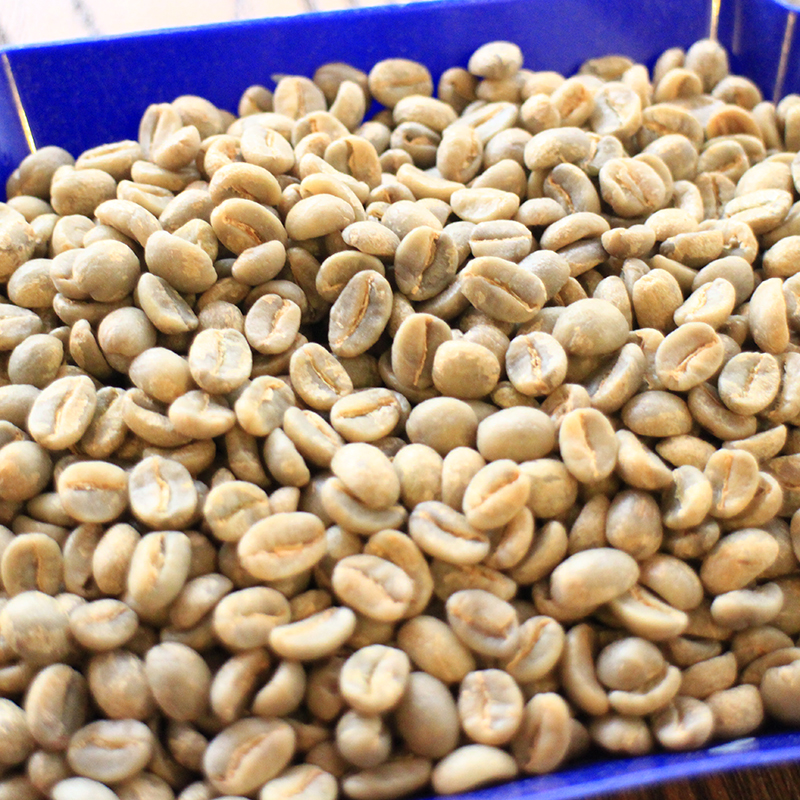
How do coffee bean seeds grow coffee what kind of beans is Guatemala? Coffee net
Guatemalan coffee, produced in Guatemala, belongs to bourbon coffee beans, is one of the more sour varieties, mellow and slightly wild taste, the most suitable for blending coffee. The characteristics of Guatemalan coffee beans Guatemala extremely hard beans are elegant and sour, clean and odorless, layered, as well as green apple acid, berry, jasmine, orange peel and green pepper.

A brief introduction to the market price of high-quality Guatemalan coffee beans with rich taste
Guatemala is located in the center of North and South America, and its geographical location occupies an important position in Central America. Guatemala covers an area of about 108899 square kilometers. The land features can be divided into plateau volcanoes, lowland tropical forests, volcanic sandy shore plains along the Pacific coast, and virgin lands along the Caribbean Sea. The SierraMadre Mountains of Central America span east and west of Guatemala, covering an area of

A brief introduction to the cultivation of jasmine-scented Guatemalan boutique coffee beans, geographical location, climate and altitude
Some of the best quality coffee from Guatemala is currently exported to Japan, where it sells for $34 per cup. In order to revitalize its coffee industry, Guatemala has specially set up a special coffee association and gives maximum funding and attention to these high-quality coffee. These efforts will soon bear fruit, and the real beneficiaries are not only coffee growers, but also coffee growers.
Guatemala coffee prestige extra hard coffee beans
Guatemala coffee beans are mostly cultivated in volcanic soils at high altitudes, the highest Arabica variety. Due to the long ripening period, the beans are medium and dense (Guatemala coffee beans are graded not by particle size, but by the number of defects), and the beans are dark turquoise in color. Fragrance, alcohol, sweetness and freshness
Fine coffee Guatemala coffee bean producing area Guatemalan coffee raw bean specification
The extra-hard coffee beans here are full-grained, delicious and balanced, and the coffee made with them is pure and rich. Guatemala coffee once enjoyed a reputation as the best quality coffee in the world, but its quality also declined for a time. What is gratifying, however, is that its reputation is gradually being restored. In 1750, Father Jesuit introduced coffee trees to Guatemala, at the end of the 19th century.

What about Starbucks Guatemalan coffee? the origin of Guatemalan coffee.
Following Cafe (official Wechat account vdailycom) found that the Beautiful Cafe opened its own shop Antigua, Guatemala. This is an elegant, rich and deep coffee whose delicate acidity is perfectly balanced with subtle cocoa textures and soft spice flavors. Origin: Latin American processing method: washing method Flavor: cocoa, spices sour
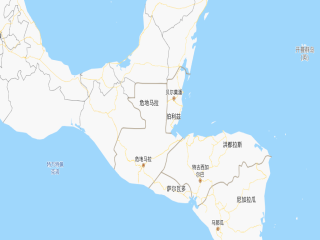
Practical information: what are the producing areas of Guatemalan coffee? Description of the taste of Guatemalan coffee beans
Guatemala is bordered by Mexico to the north, Honduras and El Salvador to the south, the Caribbean to the east and the Pacific Ocean to the west, with tropical rain forests, volcanic geology, plateau valleys and changeable microclimate. Guatemalan coffee once enjoyed a reputation as the best quality coffee in the world, with its extra hard coffee beans.

Guatemalan coffee bean flavor, Guatemalan coffee history
Following Cafe Review (Wechat official account vdailycom) found that Beautiful Cafe opened a small shop of its own Guatemalan coffee beans taste: bitter and fragrant, good taste. The coffee produced in the highland is mellow and has a good sour taste, which is well received and is the best material for mixed coffee. Guatemala extremely hard beans are graceful, sour, clean, odorless, hierarchical, and sour green apples.

A brief introduction to the treatment method of grinding degree and baking degree of velvet-like high-quality Guatemalan coffee beans
The coffee industry, run by the Mayans, once boomed Guatemala's economy and dominated the national economy. Unfortunately, the political situation in Guatemala is not good for these coffee growers. High output is usually a sign of a country's overall economic prosperity. However, coffee production in Guatemala has declined relatively, at only 700 kilograms per hectare.